
Boating is a wonderful pastime that brings people closer to nature and offers a sense of adventure. However, there are significant differences between boating on a lake and the ocean. Understanding these distinctions can enhance your experience and ensure a safe and enjoyable outing.
Water Conditions
Navigation and Equipment
Wildlife and Scenery
Accessibility and Safety
Activities and Opportunities
Lakes:
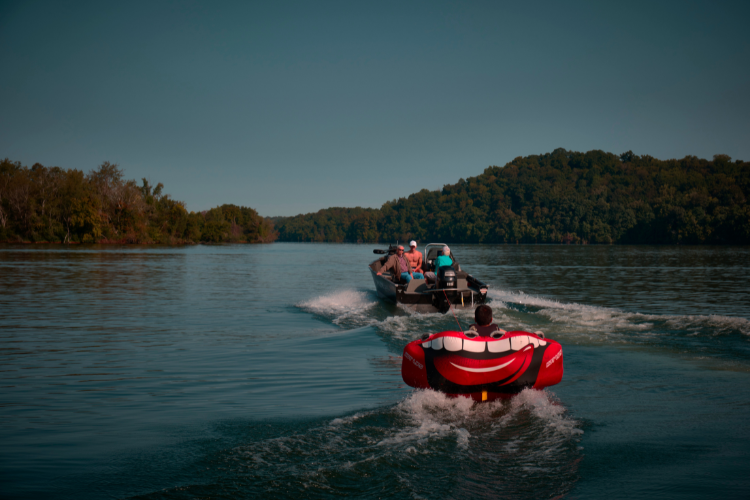
Lakes are typically smaller bodies of water with calmer conditions. The water is often still, with minor waves caused by wind and other boats. This makes lakes ideal for leisurely activities such as fishing, kayaking, or paddleboarding. The calm waters are also perfect for beginners who are still getting accustomed to handling a boat.
Oceans:
In contrast, the ocean presents a more dynamic environment. Ocean waters can be unpredictable with stronger currents, larger waves, and tides. This requires more skill and experience to navigate. Boaters must be prepared for sudden changes in weather and sea conditions, which can impact safety and navigation.
Lakes:
Lake boating typically involves straightforward navigation with visible landmarks and clear boundaries. Basic navigational tools like maps and compasses are usually sufficient. Additionally, smaller boats, such as pontoons or fishing boats, are well-suited for lakes.
Oceans:
Ocean boating demands a more sophisticated approach to navigation. With vast expanses of open water, boaters rely heavily on GPS systems, nautical charts, and radar to find their way. Ocean boats are generally larger and more robust, equipped to handle rough waters and longer journeys.
Lakes:
Lake environments offer a diverse range of wildlife, including fish, birds, and small mammals. The scenery is often lush with surrounding forests, mountains, or rolling hills. This makes for a peaceful and picturesque experience, ideal for nature lovers.
Oceans:
The ocean is home to a wide array of marine life, from dolphins and whales to various species of fish and seabirds. The scenery can be awe-inspiring, with expansive horizons and the potential to spot distant islands or coastal features. Ocean boating provides a sense of endless exploration and adventure.
Lakes:
Lakes are generally more accessible, with numerous public access points, marinas, and boat ramps. Safety is enhanced by the proximity to shore and the presence of other boaters and emergency services.
Oceans:
Ocean boating often requires more planning and preparation. Boaters must consider longer distances, limited access points, and the need for additional safety equipment, such as life rafts and emergency beacons. It's crucial to have a well-thought-out plan and to monitor weather conditions closely.
Lakes:
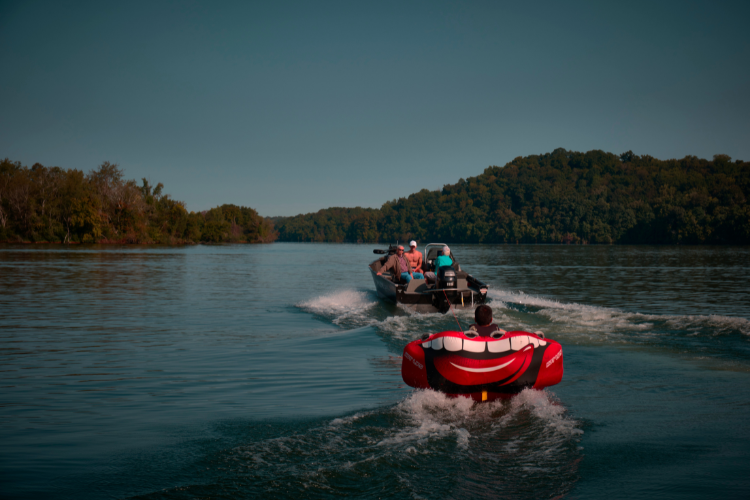
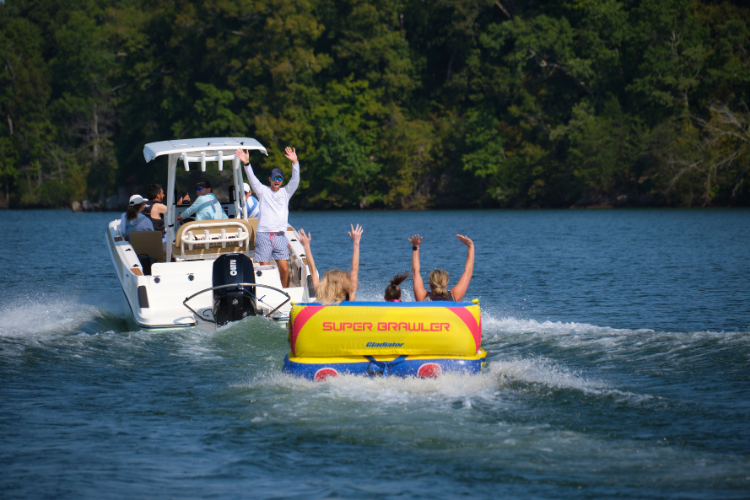
Lakes offer a variety of activities such as fishing, water skiing, wakeboarding, and swimming. The controlled environment makes it a great spot for family outings and group activities.
Oceans:
The ocean offers opportunities for deep-sea fishing, sailing, scuba diving, and exploring distant destinations. The vastness of the ocean allows for more adventurous and exploratory activities.
In conclusion, whether you choose to boat on a lake or the ocean, each has its unique appeal and challenges. By understanding these differences, you can better prepare for your boating adventure and make the most of your time on the water. Always prioritize safety and respect the natural environment to ensure a memorable and enjoyable experience.






Comments
Please log into your account to post comments